 VapeWholesaleHub
What a Butterscotch Ice Production Slot Really Means — Step by Step
Everything below applies whether you are ordering one mixed carton or a full container. The numbers scale, but the logic does not change, which is the point of writing it down once.
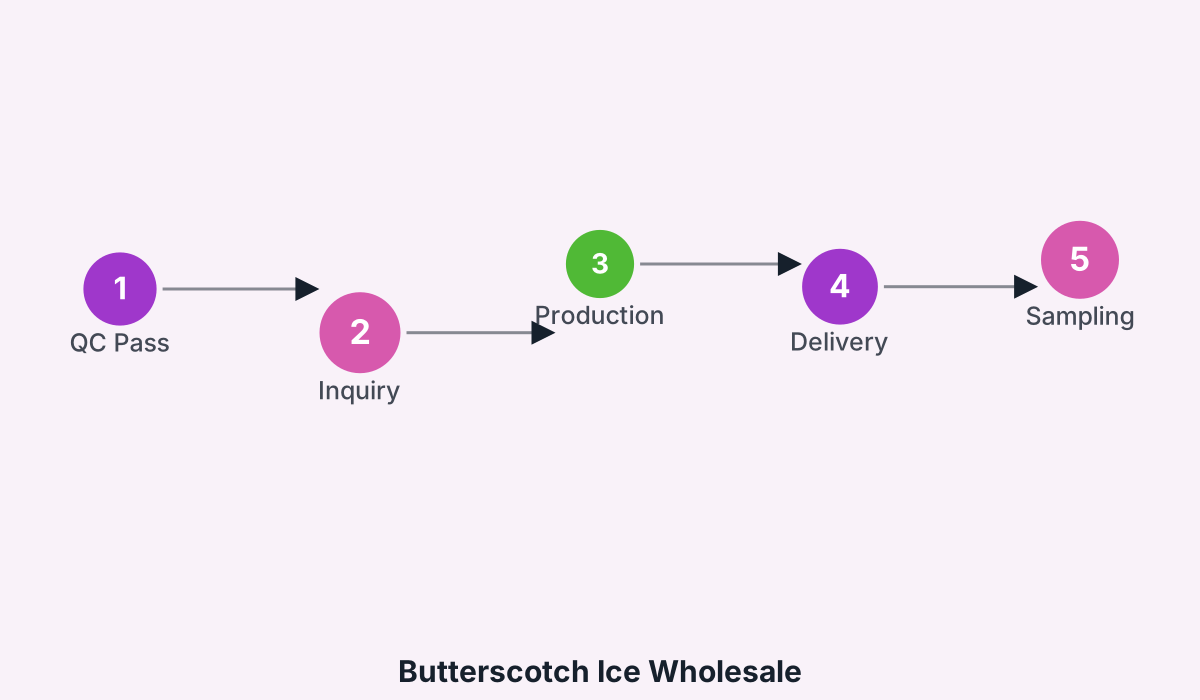
How Butterscotch Ice Batches Are Checked
The cheapest quality control step is a retained sample. Keeping three sealed units from every butterscotch ice batch costs almost nothing and turns any dispute into a simple comparison instead of an argument over photographs.
Most defects in butterscotch ice are not dramatic. They are loose tolerances, a slightly thin seal, a mouthpiece that clicks. Left alone they turn into leak complaints, which are the single most common reason a retailer drops a line.
- Plan the switch from air to sea freight before you need it.
- Agree the tolerance band in writing before approving artwork.
- Check carton dimensions against your freight quote before confirming.
- Rotate stock by batch code rather than by delivery date.
- Keep sealed retained samples from every production batch.
Selling Butterscotch Ice at Store Level
Online, the listing for butterscotch ice should answer three questions without scrolling: what it is, how strong it is, and what it tastes like. Everything else belongs further down the page.
Use your butterscotch ice staff training time on the two questions customers actually ask. Anything more detailed gets forgotten by the second shift.
Trends Worth Watching
One shift worth planning for: shorter butterscotch ice reorder cycles with smaller average drops. It favours suppliers with flexible production slots over those who only want large annual commitments.
What to Fix Before Approving Butterscotch Ice
Revisit the butterscotch ice specification after every third order. Small improvements compound, and factories take a buyer more seriously when the document has clearly been used.
When we write a butterscotch ice specification with a distributor, we fix four things first: the resistance band, the liquid capacity tolerance, the puff count methodology and the packaging master carton. Everything else can flex without changing the customer experience.
| Product category | Pod system |
|---|---|
| Resistance band | 1.0 - 1.2 ohm |
| Capacity tolerance | +/- 2% |
| Puff count method | Declared by capacity |
| Master carton | 100 units |
| Carton weight | 11.4 kg |
| Shelf life | 24 months |
| Storage | 15-25 C, dry, away from direct light |
Where Butterscotch Ice Sits in the Range
Before anything else, decide which customer you are buying butterscotch ice for. A convenience counter with limited shelf depth needs a tight range that turns quickly, while a specialist shop can carry a deeper ladder of options and educate buyers into higher ticket lines.
Practical Checklist
- Rotate stock by batch code rather than by delivery date.
- Check carton dimensions against your freight quote before confirming.
- Model landed cost, not ex-works price, when comparing quotes.
- Keep sealed retained samples from every production batch.
- Ask how the factory measures puff count, then compare like with like.
- Start with a mixed carton and let your own sell-through decide.
Frequently Asked Questions
Is there support for in-store material?
Yes. Shelf talkers, counter cards and simple planogram suggestions are available for butterscotch ice ranges that reach a sensible volume. Most retailers find the plain strength and flavour cards do the most work.
What if I only need a small first order?
That is normal and sensible. A mixed carton lets you test butterscotch ice in your own market before committing to a production run, and the specification you approve at that stage carries through to larger orders unchanged.
Can I mix strengths in one order?
In most cases yes, as long as each strength meets the minimum run length. Mixed strength cartons are popular with retailers building their first display because they show the full ladder without over committing.
What if a batch does not match the sample?
Keep the retained samples from the approval stage. If a delivered batch measurably differs, we compare against the retained set and resolve it against the production record. This is why we insist on sealed retained units from every run.
Can you match an existing product I already sell?
Often yes, provided we can measure it properly. Send a physical sample and we will report back on what can be matched, what will differ slightly, and why. An honest gap is more useful than a vague promise.
Next Step
Whatever you decide, decide it against numbers you can check on arrival. That single discipline removes most of the risk from importing butterscotch ice.
Related Reading
- Butterscotch Ice Barcode and Labelling Requirements — Oceania
- Setting Minimum Order Quantities for Butterscotch Ice — Specialist Vape Shops
- Butterscotch Ice Specifications Every Buyer Should Check — a Printable Checklist
- Butterscotch Ice Lead Time Buffers That Actually Work — Online Sellers
- Butterscotch Ice Growing From Pallet to Container — EU Markets
- Butterscotch Ice First Order Playbook for New Importers — Mixed Cabinets