 VapeWholesaleHub
Butterscotch Ice Tooling and Moulding Cost Structures — Low Minimum Quantities
There is no clever trick to buying butterscotch ice well. There is a short list of things worth checking and a long list of things that distract from them. This page is an attempt at the short list.
Selling Butterscotch Ice at Store Level
On shelf, butterscotch ice sells on clarity. A plain shelf talker that states strength and flavour in two words outperforms a beautifully designed but vague display, because most purchase decisions here take under ten seconds.
Keep the butterscotch ice range tidy. A half empty shelf reads as a dying line, and customers interpret it that way faster than any signage can correct.
Getting Butterscotch Ice to Your Warehouse
Model butterscotch ice freight both ways before choosing a method: cost per unit and cost per week of delay. The second figure is the one that decides whether a cheap option was actually cheap.
Split butterscotch ice shipments across two sailings when the order is large enough. It costs slightly more but removes the risk of a single event wiping out a full quarter of stock.
Modelling a Healthy Margin
Build butterscotch ice price tiers around order sizes your customers actually place. Tiers that only make sense on a spreadsheet get ignored, and you end up discounting ad hoc instead.
When you model butterscotch ice pricing, build in a realistic shrink figure. Even a well run line loses a small percentage to damage, expiry and sampling. Pretending that number is zero is how a healthy looking margin turns negative.
Indicative reference points for planning purposes: entry tier from USD 1.70 per unit at 2000 units, mid tier at USD 1.56, and volume tier at USD 1.29 for full container quantities. These figures move with specification, packaging and freight, so treat them as a shape rather than a quote.
The Specification That Matters
Pay attention to how a butterscotch ice supplier responds when you ask for a tolerance they do not want to commit to. The hesitation is usually more informative than the eventual answer.
Two specifications that matter more than buyers expect: the seal integrity after a drop test and the consistency of the draw from first use to last. Both are measurable before you commit to volume.
| Product category | Open system |
|---|---|
| Resistance band | 1.2 - 1.4 ohm |
| Capacity tolerance | +/- 2% |
| Puff count method | Machine cycle 3s on / 27s off |
| Master carton | 100 units |
| Carton weight | 3.9 kg |
| Shelf life | 18 months |
| Storage | 15-25 C, dry, away from direct light |
Quality Control in Practice
Set the butterscotch ice complaint threshold in the contract before you need it. Deciding what counts as an acceptable defect rate during a dispute is the worst possible time to negotiate it.
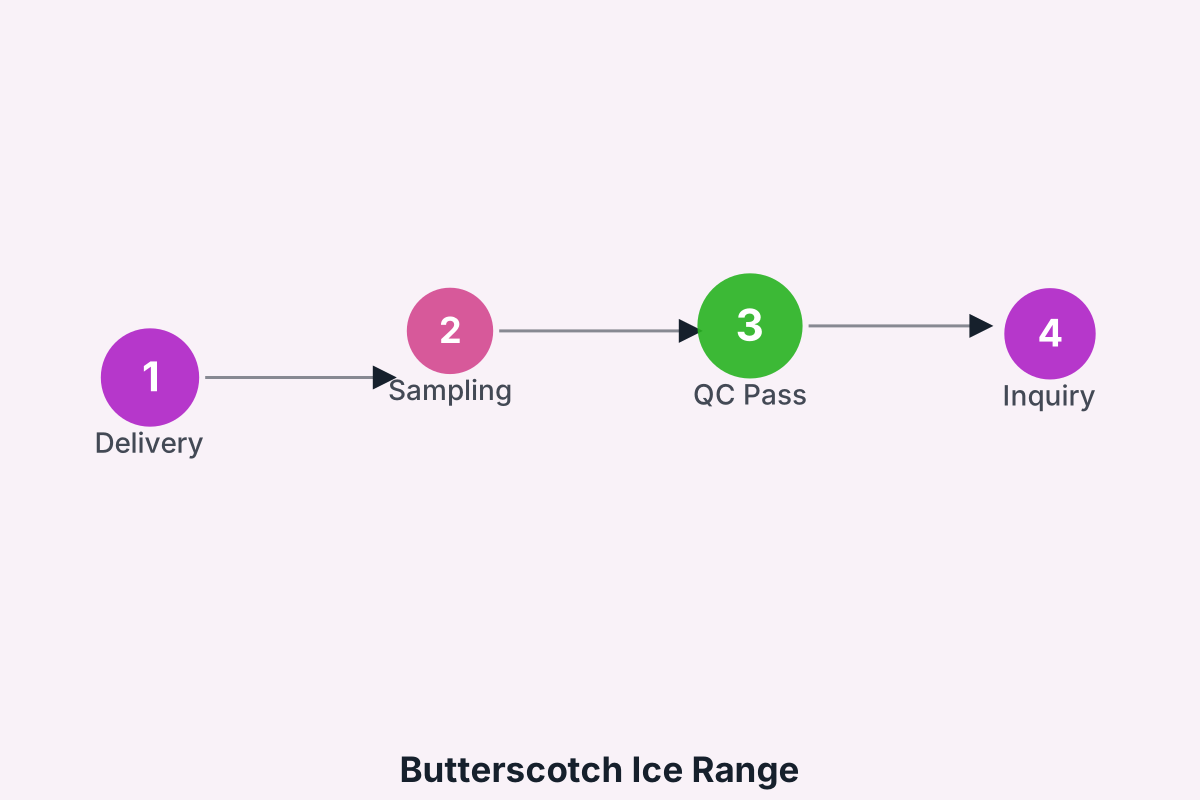
Incoming inspection for butterscotch ice is not about opening boxes at random. We weigh a sample of cartons, check batch codes against the production record, run a draw resistance measurement, and log the results so that a complaint three months later can be traced to a specific run.
- Agree the tolerance band in writing before approving artwork.
- Check carton dimensions against your freight quote before confirming.
- Confirm the current customs classification with your own broker.
- Ask how the factory measures puff count, then compare like with like.
- Write the complaint threshold into the order terms.
How Butterscotch Ice Fits the Assortment
Category planning for butterscotch ice works best when you map it against three shopper types: the restocker who already knows what they want, the switcher who wants something stronger, and the explorer who buys on flavour name alone.
Practical Checklist
- Keep sealed retained samples from every production batch.
- Agree the tolerance band in writing before approving artwork.
- Check carton dimensions against your freight quote before confirming.
- Model landed cost, not ex-works price, when comparing quotes.
- Confirm the current customs classification with your own broker.
- Plan the switch from air to sea freight before you need it.
Frequently Asked Questions
Can I mix strengths in one order?
In most cases yes, as long as each strength meets the minimum run length. Mixed strength cartons are popular with retailers building their first display because they show the full ladder without over committing.
What information do you need to quote?
Target specification, approximate quantity, destination and any packaging requirement. With those four we can usually come back with a costed option the same working day rather than a request for more information.
Can I visit the production facility?
Yes, and we encourage it for larger programmes. Visits are most useful when you already have a draft specification, because you can then check the specific processes behind the numbers you care about.
Can the packaging be customised?
Yes. Most butterscotch ice programmes use private label packaging once volumes justify the printing plate. We supply dielines, check your artwork for print issues and hold approved files so reorders need no new setup.
Next Step
Start smaller than feels comfortable, measure honestly, then scale what worked. That sequence has saved more of our customers money than any negotiation tactic we could suggest.
Related Reading
- Butterscotch Ice Customer Feedback Loops That Improve Reorders — Private Label Programmes
- Butterscotch Ice Handling, Labeling and Regulatory Paperwork — Low Minimum Quantities
- Butterscotch Ice vs Standard Alternatives: What Changes for Your Shelf — a Printable Checklist
- Butterscotch Ice Damage Claims and How to Avoid Them — Three Price Tiers
- Butterscotch Ice Specifications Every Buyer Should Check — Updated for 2026
- Butterscotch Ice KPI Set for Wholesale Operations — Specialist Vape Shops